 English
 Spanish
 German
 Russian
 Arabic
 Portuguese
 Italian
 French
 Hebrew
 Turkish
The Ultimate Guide to Stryker Stretcher Wheels: Replacement, Maintenance & Safety
Top-Quality Stryker Stretcher Wheels: The Ultimate Guide for Hospitals and Medical Facilities
In the fast-paced environment of a hospital or emergency department, the mobility of your equipment is non-negotiable. Stryker stretcher wheels are the literal foundation of patient transport, and their condition directly impacts caregiver safety, patient comfort, and operational efficiency.
Whether you are managing a fleet of ambulance cots or maintaining a surgery center's gurneys, choosing the right replacement wheels is critical. This guide covers everything from identifying the correct part numbers to understanding the benefits of high-performance casters.
Why High-Quality Stryker Stretcher Wheels Matter
The demand on medical casters is immense. From navigating tight corridors to absorbing shocks during ambulance loading, Stryker replacement wheels must perform under pressure.
Patient Comfort: Worn wheels create vibrations and noise that can increase patient anxiety and physical discomfort during transport.
Caregiver Ergonomics: High-quality polyurethane or thermoplastic rubber (TPR) wheels reduce the "start-up force" required to move a heavy gurney, preventing back injuries among nursing and EMS staff.
Floor Protection: Non-marking medical wheels ensure that your facility’s expensive flooring remains free of black scuffs and physical gouges.
Infection Control: Smooth, high-grade wheel surfaces are easier to disinfect and less likely to trap biohazardous debris compared to degraded, porous rubber.
Common Types of Stryker Replacement Wheels
Not all stretchers use the same wheel configuration. Identifying your specific model is the first step toward a successful replacement.
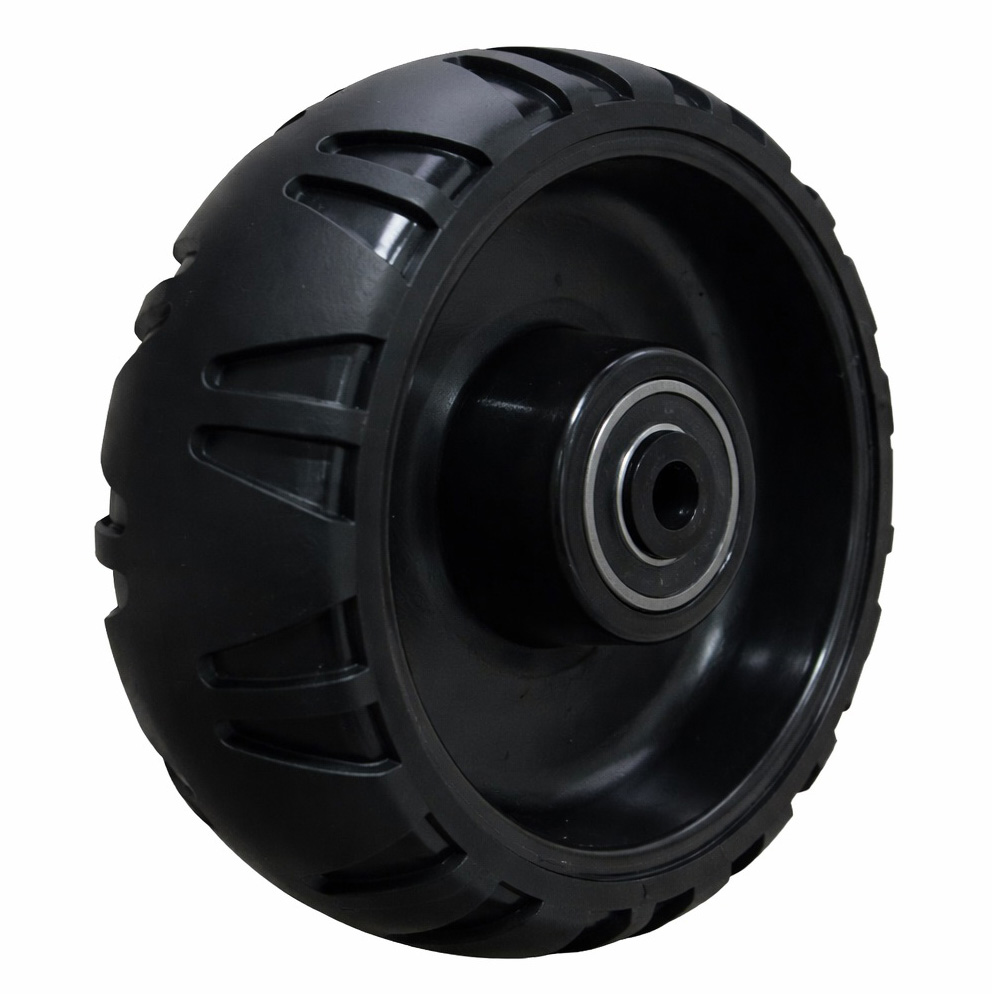
1. 6-Inch Ambulance Cot Wheels
Most common in EMS settings, these wheels are designed for the Stryker Power-PRO XT and MX-PRO series.
Specifications: Usually 6" x 2" with a 7/16-inch axle bore.
Best For: Rough terrain, curb jumps, and rapid loading.
2. 8-Inch M-Series and Prime Series Casters
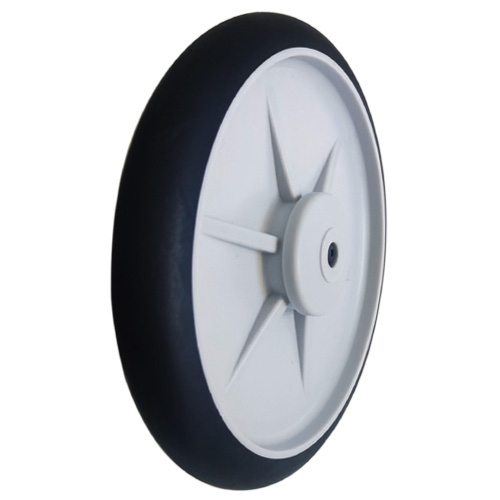
Used primarily in acute care settings, these larger wheels provide superior maneuverability.
Key Features: Often available in Brake/Steer or Total Lock configurations.
Compatibility: Essential for Stryker 1005, 1007, and Prime Series stretchers.
3. The "Big Wheel" and Fifth Wheel Technology
Some Stryker models, like the Prime Big Wheel, utilize a central drive wheel to assist with steering and cornering. These require specific maintenance to ensure the central locking system engages correctly.
Signs Your Stretcher Casters Need Replacement
Don't wait for a total failure during a critical transport. Watch for these red flags:
Dragging or "Flat Spots": If the wheel feels like it’s thumping, the material has likely flat-spotted from sitting under a heavy load for too long.
Drifting: If the stretcher pulls to one side, the casters are out of alignment or the bearings are seized.
Locking Failure: If the brake pedal doesn't stay down or the wheels still rotate when locked, the internal mechanism or the wheel hub is worn.
Noise: Excessive squeaking or grinding is a clear sign that the sealed ball bearings have failed or are contaminated with hair and debris.
Buying Guide: OEM vs. Aftermarket Stryker Wheels
For medical equipment importers and hospital procurement officers, the choice between OEM (Original Equipment Manufacturer) and aftermarket parts is a balance of budget and performance.
| Feature | Stryker OEM Wheels | High-Quality Aftermarket |
| Compatibility | Guaranteed 100% | Must verify part numbers |
| Cost | Premium pricing | 30%–50% Savings |
| Material | Standard Medical Grade | Often matches or exceeds OEM |
| Warranty | Manufacturer Backed | Varies by supplier |
Pro Tip: When sourcing aftermarket Stryker stretcher parts, look for "non-marking polyurethane" and "precision sealed ball bearings" to ensure the longevity of your investment.
Maintenance Tips for Longevity
To extend the life of your Stryker gurney wheels, implement a quarterly inspection routine:
Debris Removal: Use a specialized tool or pliers to remove hair, suture ends, and tape from the wheel axles.
Cleaning: Wipe down wheels with hospital-approved disinfectants. Avoid soaking the bearings in corrosive liquids.
Lubrication: If the model allows, apply a small amount of medical-grade lubricant to the swivel joints.
Calibration: Periodically check that the brake and steer pedals engage all four wheels simultaneously.
Find the Right Parts for Your Facility
Investing in premium stretcher casters is an investment in your team's safety and your patient's experience. By choosing wheels that match your specific Stryker model—whether it's the 6080, 6500, or the M-Series—you ensure your facility remains mobile and efficient.